This is a paid partner contribution. Commercial relationships are disclosed so readers can distinguish sponsored content from editorial guides.
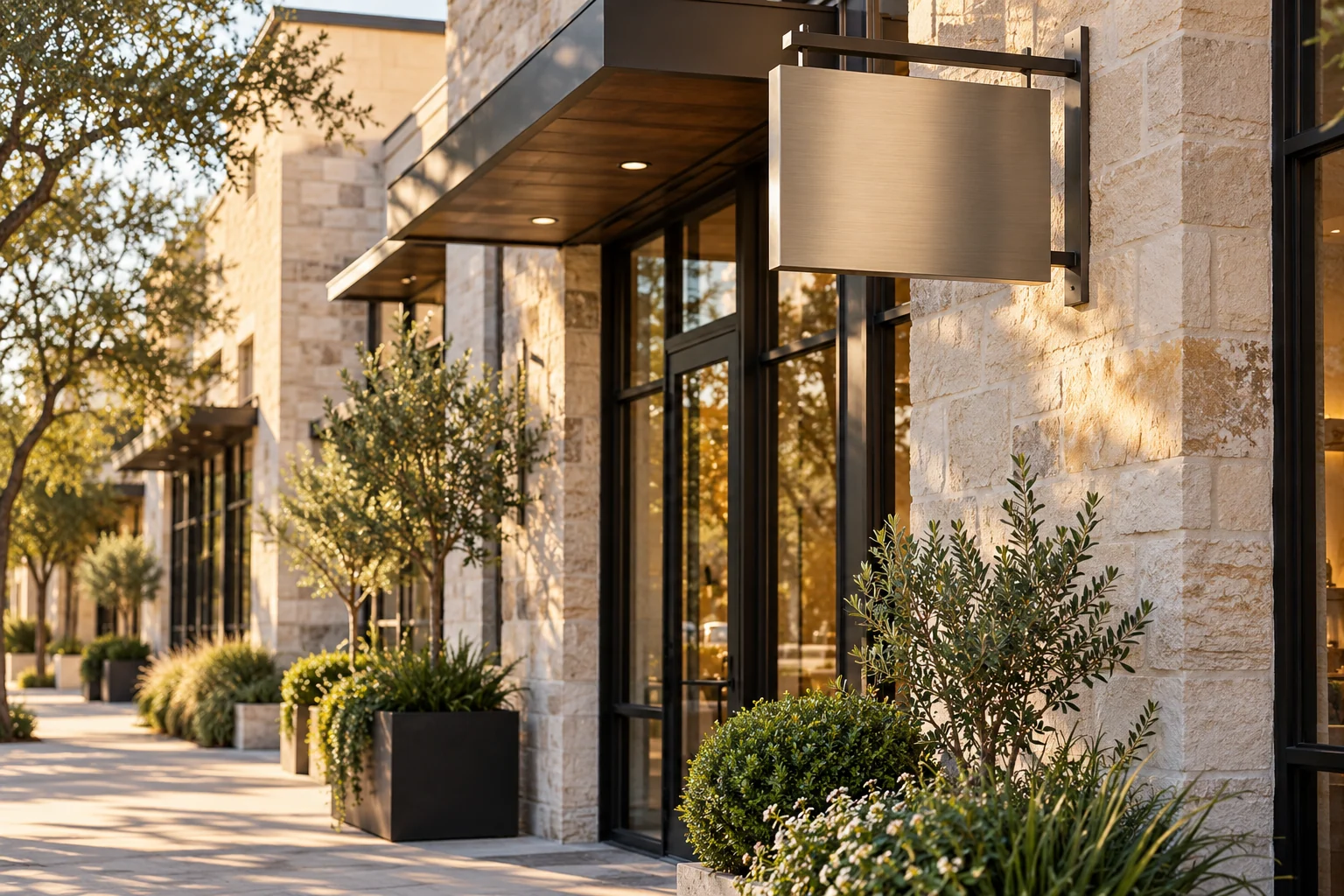
A storefront window or a roadside display serves as a silent communicator for any local business. When those visual elements begin to look weathered or no longer reflect the current direction of a brand, the decision to refresh them often arrives during a seasonal shift or a period of growth. Instead of reacting to a sudden need, looking ahead allows for a more measured approach to how your physical presence meets your customers.
Evaluating the current view
The first step in planning a refresh is a walk-through of your own perimeter. Observe how your existing displays interact with the light, the weather, and the movement of people passing by. You might notice that certain materials have faded or that the placement of a sign no longer catches the eye of a driver turning onto your street. Consider whether your current materials effectively communicate your specific message or if they have become part of the background noise.
For example, if a business recently updated its logo or shifted its service offerings, the old signage might create a disconnect for new visitors. This creates a tradeoff between the cost of an immediate update and the potential confusion of maintaining outdated visuals. Assessing these elements now provides a clear list of what needs attention before the next busy season arrives.
Organizing your requirements
Once you have identified the gaps, gather the specific details that will help you compare options. Note the exact dimensions of the surfaces where you want to place new items, such as windows, fences, or walls. If you are looking for specific items like yard signs, decals and banners near Fair Park, having these measurements ready will streamline the process. Documenting the colors and styles you currently use can also help maintain a sense of continuity or help you plan for a clean break from the past.
If your business operates online alongside a physical location, think about how your physical signs might tie into your digital presence. You may want to explore how private ecommerce sign ordering could fit into your workflow for recurring needs. Keeping a folder of your current brand assets, such as high-resolution logos and color codes, ensures that any new project starts with the correct foundation.
Preparing for the conversation
When you are ready to move from observation to action, the quality of the outcome often depends on the clarity of your questions. Rather than asking what is available, ask how specific materials might hold up in the local environment or how different sizes might impact visibility from various distances. You might ask how a particular recommendation addresses the specific layout and foot traffic patterns you have observed.
Ask about the different ways materials can be applied to your specific surfaces and what the process looks like for installation. If you are planning for multiple locations or a series of seasonal updates, ask how those needs can be coordinated. By arriving with your measurements, your brand assets, and a list of specific environmental observations, you turn a vague idea into a concrete plan for your business's visual identity.


