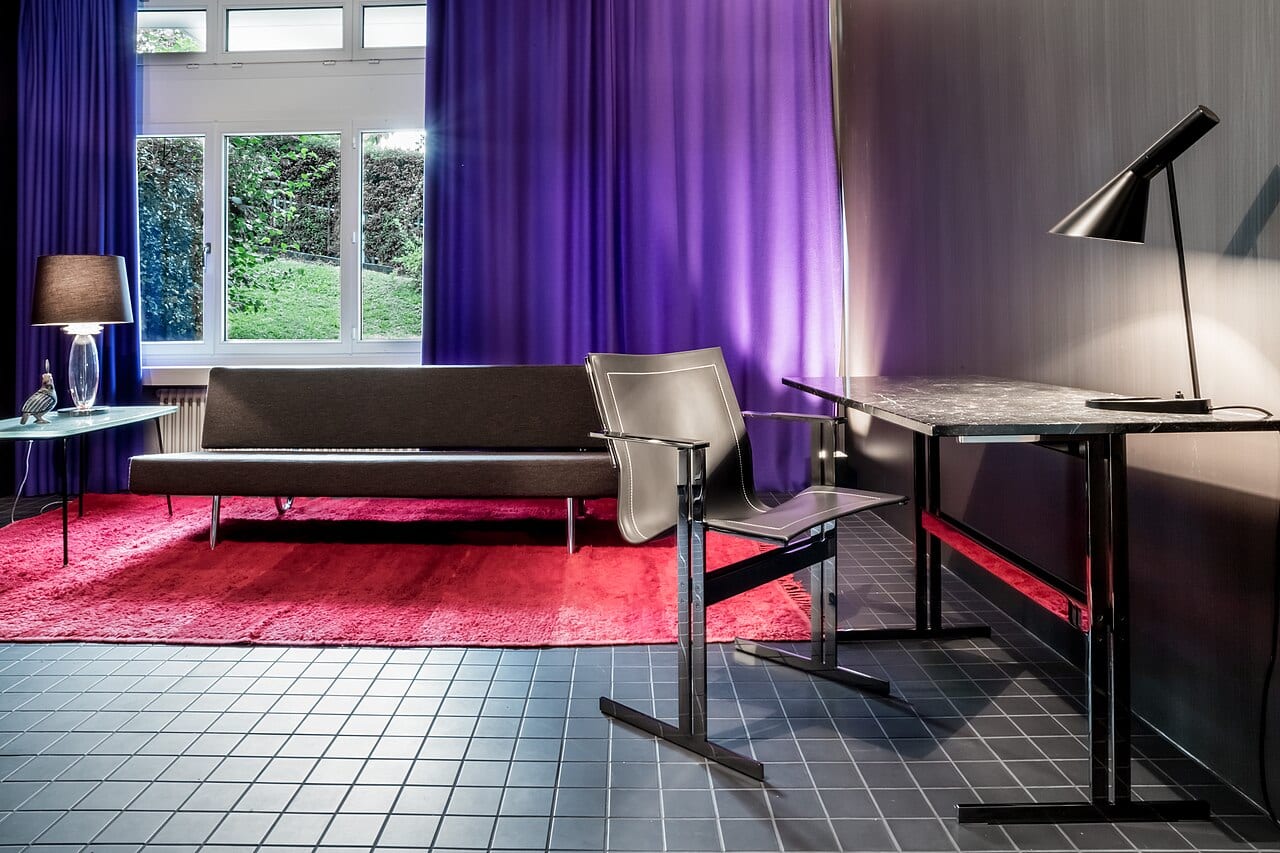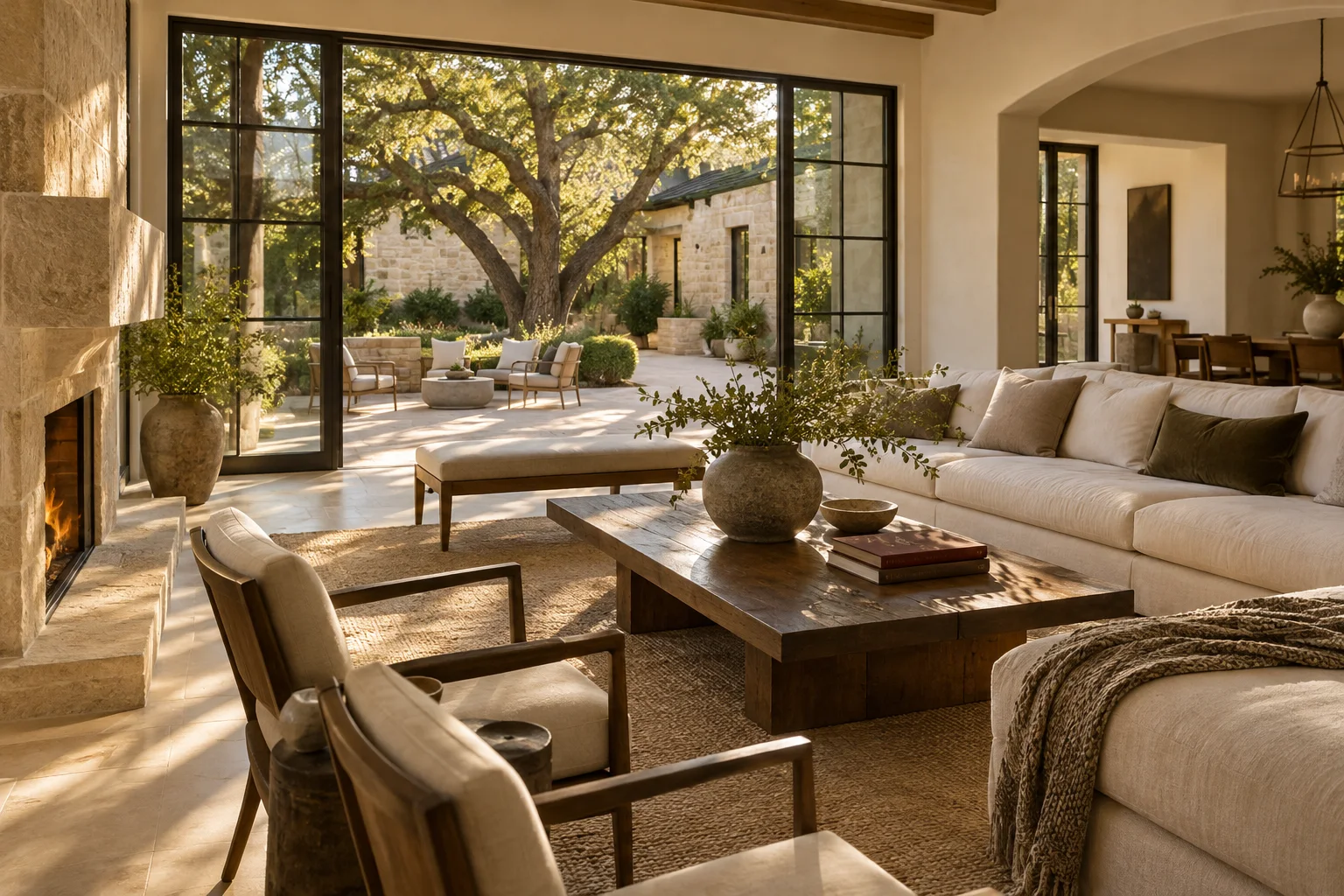
A "Deluxe Suite" or a "Standard King" appears as a definitive choice on a booking screen, but these labels do not always describe how you will actually inhabit the space. For the person tasked with coordinating a trip for friends or family, the pressure to select the right accommodations is significant. You are not just choosing a bed; you are choosing the setting for shared meals, late-night conversations, or much-needed quiet.
The gap between a label and a layout
The challenge lies in the fact that a room's name provides little information about its utility. A room might have a large square footage but be configured in a way that feels cramped once several suitcases are opened on the floor. A suite might imply communal space, but that space could be a narrow corridor rather than a functional sitting area. As the person handling the arrangements, you must weigh the tradeoff between a room with a specific name and a different room type that might offer more functional space for your group's specific needs.
Before confirming a block of rooms, look closely at the descriptions provided. Does the text mention the presence of a desk, a sofa, or a specific type of seating? If the description is sparse, the name alone may not be a reliable guide to the room's configuration. You must determine if the furniture supports the way your group intends to spend their time.
Evaluating the social footprint
For example, if you are organizing a trip for four adults who enjoy playing board games in the evenings, a single large room with two queen beds might seem efficient. However, if that room lacks a dining table or a lounge area, the group will be forced to sit on the edges of the beds to interact. In this scenario, booking two separate rooms with small sitting areas might provide a better social experience, even if it alters your initial budget and increases the number of keys you need to manage.
The coordinator must also consider the logistical flow of the group. A room that looks beautiful in a photograph may lack the practical features required for a group to move comfortably. You should consider whether the layout allows for both togetherness and the ability to retreat when someone needs a moment of solitude.
Bridging the information gap
Since descriptions are often curated, direct inquiry is an effective way to bridge the gap. When you call the property, move past the room names and focus on the physical reality of the accommodations. Ask the staff how the layout accommodates the specific activities your group has planned. If you need to work or gather, ask how the furniture is arranged and if there are enough power outlets for everyone's devices.
If your group requires specific privacy or proximity, ask the reservation agent how close the assigned rooms will be to one another. You might also ask if the "suite" designation includes a separate living area or if it refers to an enlarged bedroom. Understanding these nuances prevents the frustration of arriving at a destination only to find the space does not match the mental image you formed while booking.
Selecting the right arrangement
The most successful coordinator is the one who looks past the adjectives. By focusing on the physical layout and asking targeted questions about how the space functions, you can ensure the accommodations support your group's rhythm. Once you have confirmed the specific features that matter most to your travelers, you can book with the confidence that the room name is the least important part of the decision.