This is a paid partner contribution. Commercial relationships are disclosed so readers can distinguish sponsored content from editorial guides.
A blank wall or an empty storefront presents a choice between different ways of communicating with the people passing by. Whether you are directing foot traffic through a lobby or announcing a seasonal event, the physical material and scale of your choice change how a person perceives your space. Deciding on a solution requires looking closely at the environment where the item will live and what you need it to accomplish.
Evaluating the Environment
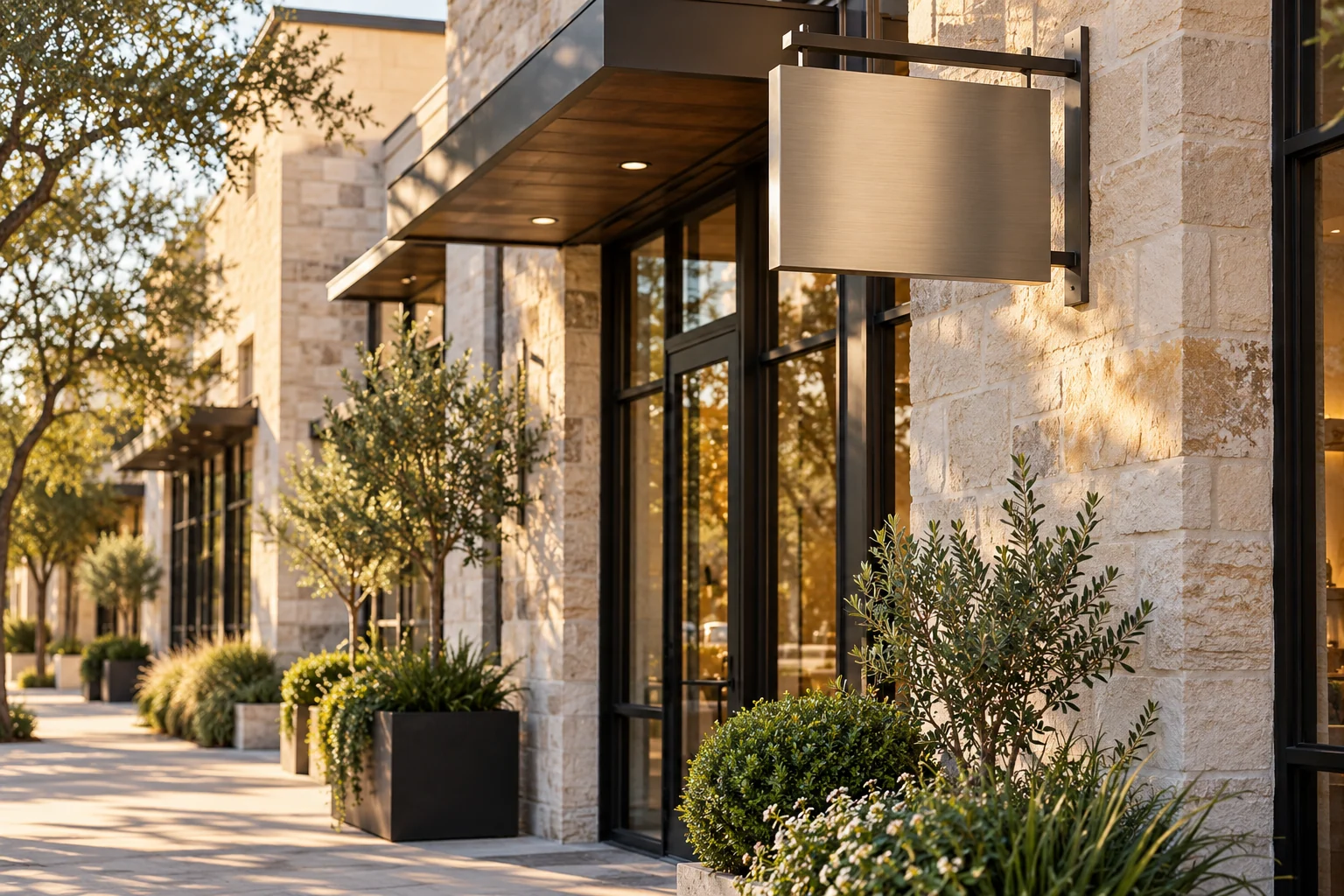
The setting dictates much of the decision-making process. An indoor hallway requires a different approach than an outdoor entrance exposed to wind or sunlight. For instance, a sign mounted in a climate-controlled office might prioritize sleek aesthetics and fine detail, whereas a sign placed near a doorway must consider durability. Consider the lighting in your area; a glossy surface might create a glare under bright overhead lights, while a matte finish might disappear in a dim corner.
When looking for interior signs Dallas, observe how people move through your rooms. Do they need subtle wayfinding to find a restroom, or do they need bold graphics to understand your brand? The scale of the message should match the scale of the room. A small sign on a large, cavernous wall may be missed entirely, while a massive graphic in a cramped cubicle might feel overwhelming.
Balancing Durability and Impact
Every visual tool involves a tradeoff between how long it lasts and how much attention it grabs. For example, if you are hosting a weekend festival, you might prioritize high-visibility banners dallas that can be hung quickly and taken down easily. These options are often designed for temporary impact rather than permanent installation. Conversely, if you are looking to establish a sense of permanence, you might look toward materials that are heavier or more rigid.
Imagine a local boutique preparing for a grand opening. They could choose large, colorful fabric banners to hang outside to catch the eye of drivers, or they could invest in fixed lettering for the front window. The banners provide immediate, high-energy excitement for a short window of time, but the window lettering offers a consistent look that remains unchanged as the seasons pass. The decision rests on whether you are solving a temporary need for attention or a long-term need for identity.
Preparing for a Consultation
Before meeting with a provider to discuss your options, gather the specific details of your project. Having measurements of the intended mounting area can prevent guesswork. It is also helpful to note the texture of the surface—such as brick, drywall, or glass—where the sign will be placed. Ask the professional which materials are most appropriate for your specific surfaces and how they suggest managing the installation process. You may also want to ask how different lighting conditions in your space might affect the visibility of the colors or textures you select.
By identifying the exact location, the duration of use, and the specific message you want to send, you can narrow down the vast array of materials to the ones that fit your specific situation.


