This is a paid partner contribution. Commercial relationships are disclosed so readers can distinguish sponsored content from editorial guides.
A single sign can anchor a storefront or transform a booth, but the transition from a mental concept to a physical object often involves a series of shifting details. Whether you are updating a permanent office entrance or preparing trade show displays Dallas, the success of the final product depends on how well your initial requirements are documented and communicated.
Defining the Visual Scope
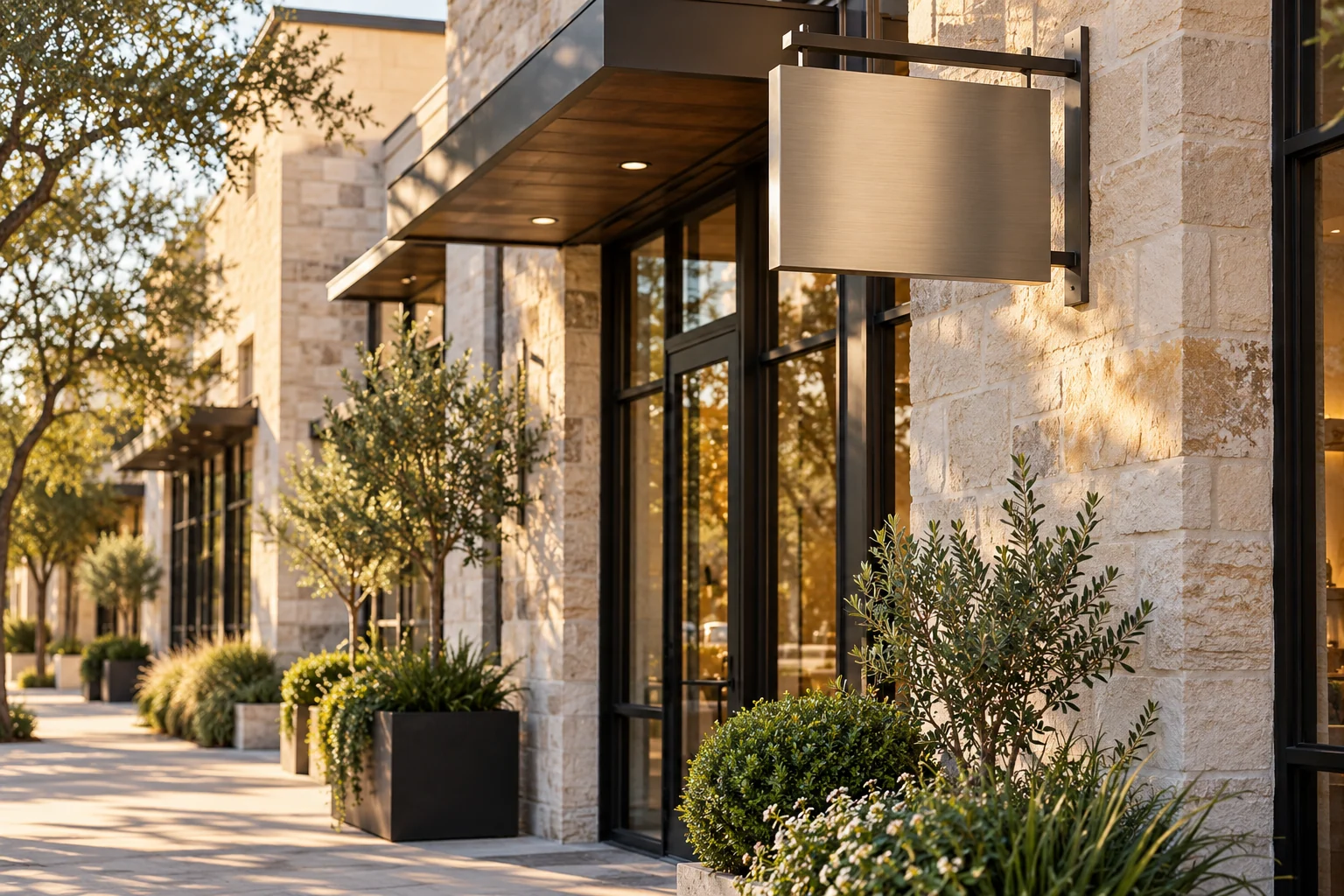
Before meeting with a provider, look closely at the space where the sign will live. Consider the textures of the walls, the direction of the light, and the distance from which people will view the message. A sign that looks striking in a small office might disappear in a high-traffic corridor. Bringing physical measurements and photographs of the intended installation site can help bridge the gap between an idea and a tangible design.
For example, if you are planning a series of directional signs for a large warehouse, you might face a tradeoff between high-contrast colors that grab attention and subtle tones that blend with the architecture. Documenting which priority takes precedence—visibility or aesthetics—allows for a more focused conversation during the design phase.
Building a Decision Record
As you move through the consultation process, keep a running log of the choices you make. This record should include the materials discussed, the dimensions agreed upon, and the specific color references used. When a provider offers different options for mounting or finishes, write down why one was selected over another. This prevents the confusion that often arises when a project moves from the design stage to production.
Ask the provider how they handle changes to the design once the order is placed. You might also ask how they verify that the colors in a digital proof will match the physical materials used in the final build. Having these answers in writing creates a clear handoff that protects your original intent.
Verifying the Details
The final step before production is the review of the proofs. This is the moment to ensure that every piece of text, every logo placement, and every measurement aligns with your recorded decisions. Do not rely on memory for small details like phone numbers or spelling; check them against your primary source documents.
If you are looking for feedback on how others have navigated their own projects, you can look for reviews of FASTSIGNS on North Jim Miller Road to see common experiences. Ultimately, the goal is to enter the production phase with a complete set of instructions that leaves no room for guesswork. By organizing your measurements, site photos, and preference logs beforehand, you turn a complex custom order into a manageable series of clear, documented steps.


