A weekend trip to a local museum often begins with an ambitious, sprawling checklist. You might intend to traverse every wing, from the contemporary sculpture garden to the historical archives, attempting to absorb a season's worth of curation in a single afternoon. However, the reality of a gallery visit often demands a pivot. Perhaps a sudden change in your schedule leaves you with only an hour, or a specific interest shifts your focus away from the main hall. When the original plan dissolves, the temptation is to rush through the remaining rooms to feel a sense of completion.
The Tradeoff of Breadth and Depth
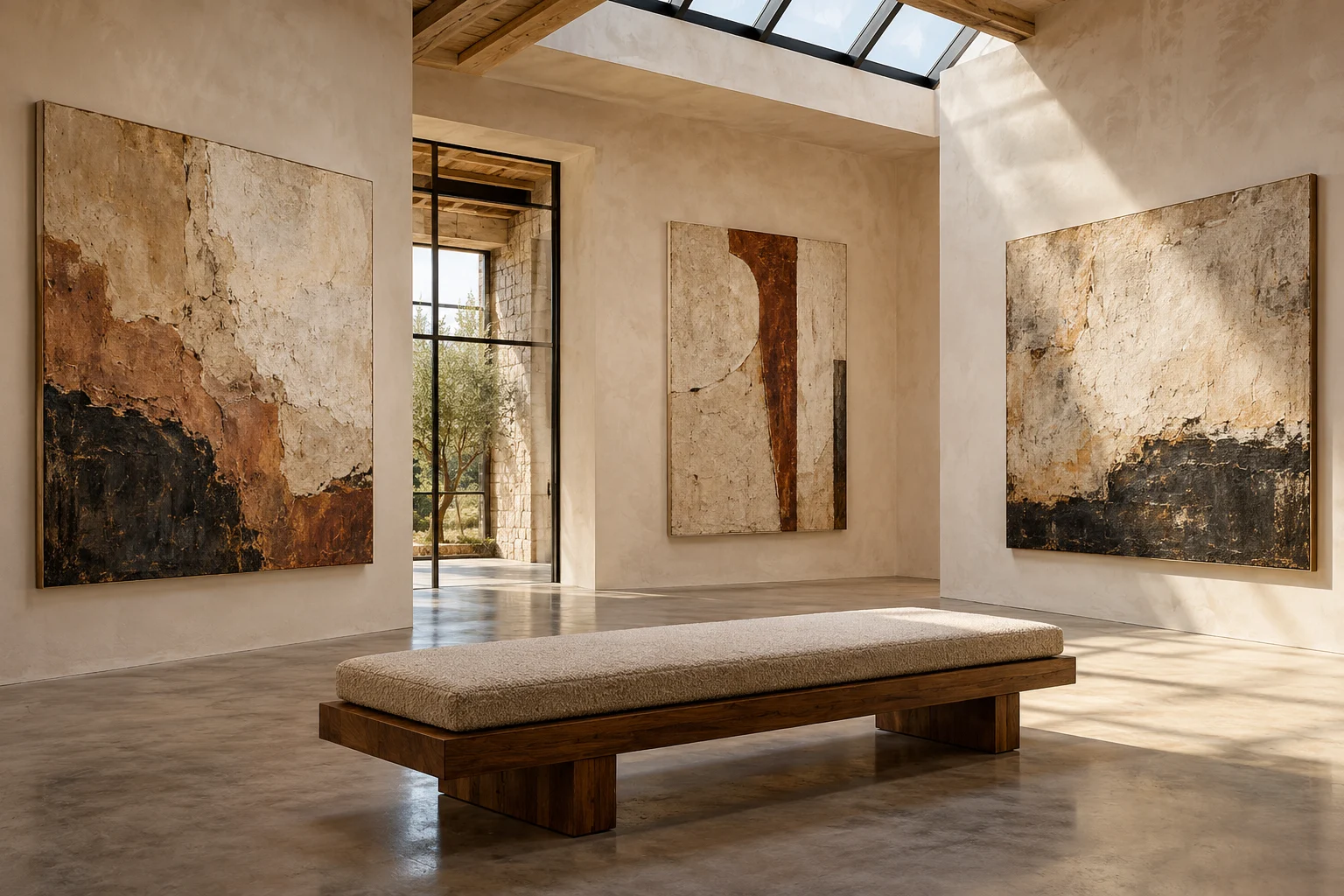
There is a distinct tension between seeing everything and seeing something well. Choosing to walk through every corridor provides a broad, panoramic view of a venue’s current offerings, but it often results in a blur of colors and forms that fail to linger in the memory. Conversely, selecting a single, verified exhibition allows for a slower pace. You might find yourself standing before one particular canvas for ten minutes, noticing how the light hits the texture, rather than spending thirty seconds passing a dozen pieces.
For example, if you arrive at a museum intending to see three different rotating shows but realize the crowds are denser than expected or your energy is waning, you face a choice. You can attempt to maintain your original itinerary and leave feeling fatigued, or you can select the one exhibition that most aligns with your current mood and commit to it entirely. The latter choice trades the breadth of the entire collection for the depth of a single conversation with the art.
Matching the Mood to the Medium
Effective viewing requires an honest assessment of what you want to extract from the space. Some days call for the social energy of a large-scale installation, while others require the quiet solitude of a photography suite. Before you begin walking, consider your personal viewing preferences. Do you prefer to read every accompanying placard, or do you find that text interrupts your visual connection to the work? Do you seek out challenging, abstract concepts, or do you prefer works that reflect familiar landscapes and stories?
If you find yourself unsure of which direction to take after your plans have changed, you might ask the gallery staff which specific exhibition is currently receiving the most contemplative engagement or which area offers the most space for quiet reflection. They can help you identify a single path that respects your limited time.
The Value of Stillness
The most significant part of an exhibition visit often happens after you have stopped moving. If you rush from room to room, you deny yourself the opportunity to process what you have seen. By narrowing your scope to one exhibition, you create the necessary margin to sit on a bench, look back at a piece you just passed, and let the imagery settle. When you decide to abandon the checklist in favor of a single focus, you are not missing out; you are choosing to actually arrive.