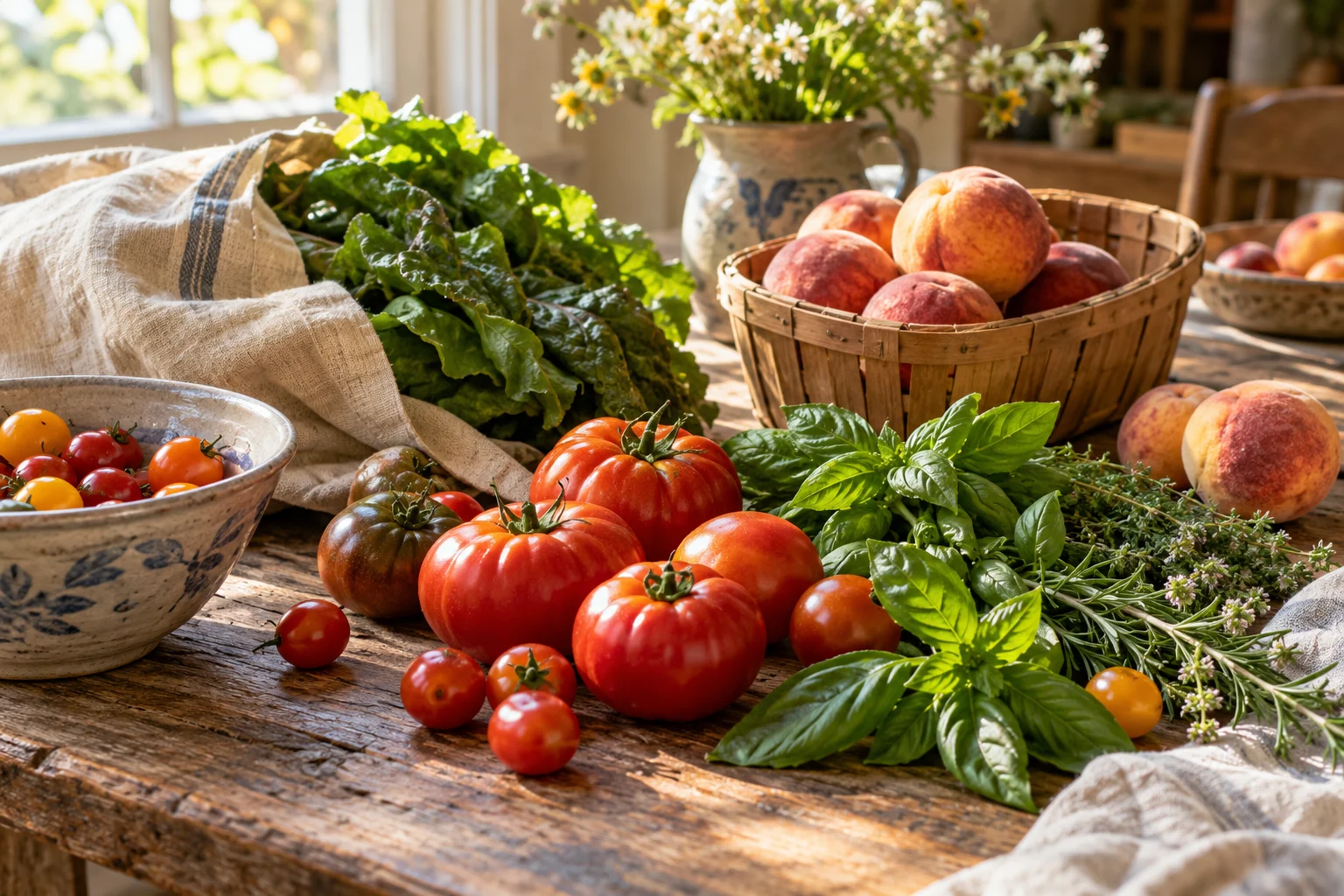
The weight of a grocery bag feels different when you are the one responsible for the menu. For the person tasked with coordinating a meal for a group, the shopping trip is rarely about a single recipe. Instead, it becomes a series of strategic choices where one set of ingredients must perform multiple roles to satisfy different tastes or simplify the evening's preparation.
The Versatility of the Harvest
Consider a basket containing fresh corn, heavy cream, sharp cheddar, and a bunch of cilantro. At first glance, these items suggest a singular direction, but they actually offer a pivot point for the cook. The decision rests on whether you want to lean into a heavy, comforting theme or something lighter and more textural.
One path leads toward a warm, creamy corn chowder. In this scenario, the corn provides the base, the cream adds richness, and the cheddar serves as a savory garnish. The cilantro offers a bright, final note to cut through the weight of the dairy. This approach favors a slow, cozy evening where the meal is the primary focus of the gathering.
Alternatively, these same ingredients can be diverted toward a vibrant, handheld option. The corn can be charred and tossed with lime and cilantro to create a fresh salsa, while the cream and cheese might be repurposed into a cooling dipping sauce or a component of a layered dip. This path trades the warmth of a soup for the social, interactive nature of finger foods.
Balancing Effort and Variety
For the person managing the kitchen, the tradeoff is often between depth of flavor and ease of service. A single, elaborate dish requires focused attention at the stove, whereas a collection of smaller components allows for a more relaxed pace during the event. For example, if you are hosting a group that prefers to graze while they talk, the salsa and dip route might be more effective than a seated soup service.
Imagine you are preparing for a small gathering where half the guests want something hearty and the other half prefer something light. You could use the corn to create a warm side dish for the hearty eaters, while using the remaining portion to brighten a salad for those seeking something lighter. The challenge is not just buying the food, but deciding how to divide the ingredients to prevent a single flavor profile from dominating the table.
Refining the Plan
Before you head to the market, look at your list and ask how many different ways those items can be utilized. If a single ingredient only serves one purpose, you may be increasing your workload without increasing your variety. If you find yourself stuck between two different meal styles, consider which direction better suits the rhythm of your guests. The most successful market basket is one that offers a choice between a structured meal and a flexible spread.