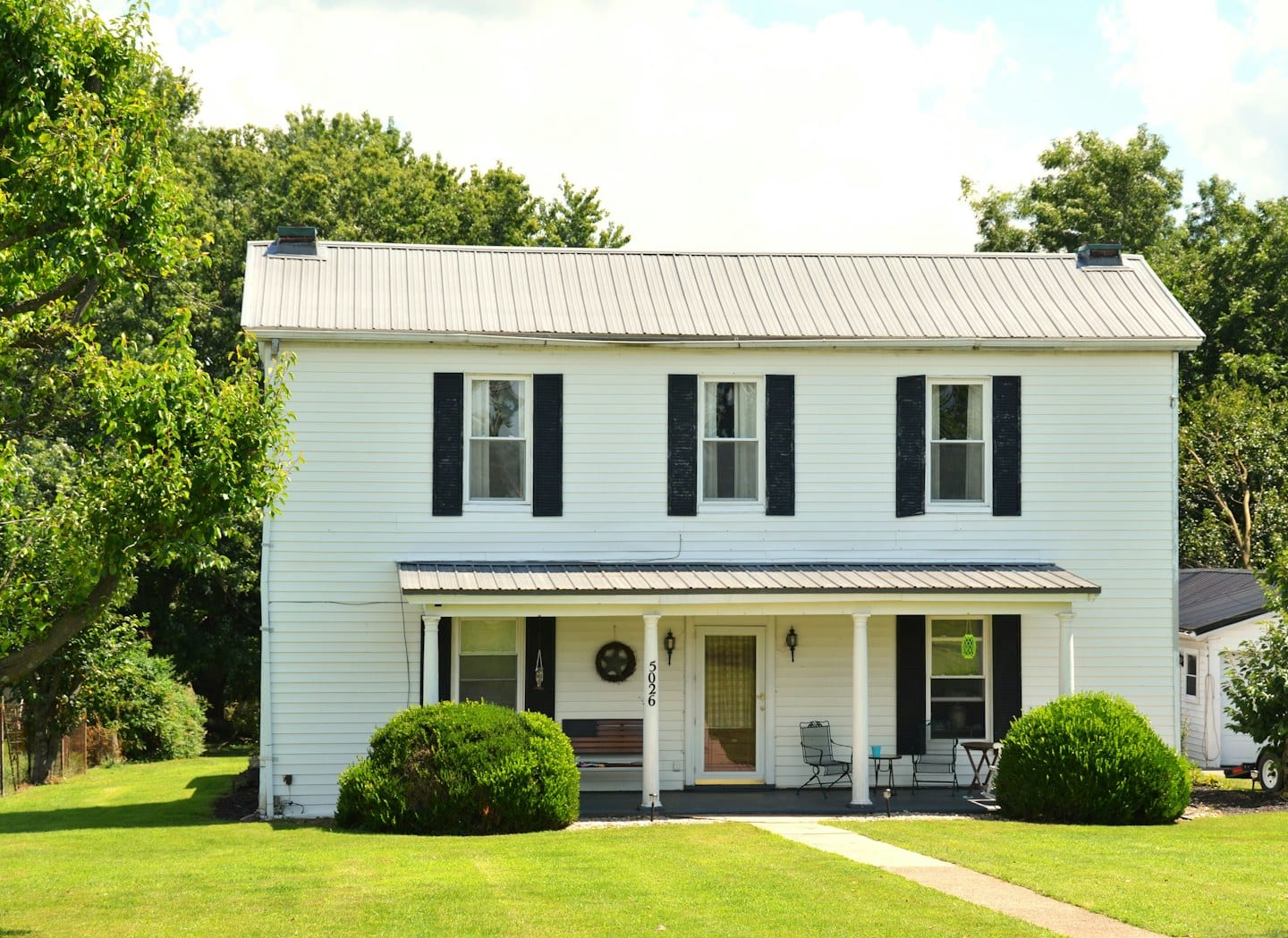
The entryway is the handoff point between the wide-open world and the private sanctuary of your home. It is where the day’s momentum meets the evening’s stillness. When this space is designed with intention, it manages the sudden arrival of mail, heavy bags, and daily essentials. When it is neglected, it becomes a catch-all for the things you are too tired to put away properly.
The weight of unorganized ideas
Many homeowners approach entryway design with a collection of fragmented ideas. You might have a notebook filled with sketches of custom cabinetry, a digital folder of photos showing sleek console tables, and a mental list of various hooks and bins. This collection of notes is a valuable resource, but it often lacks a clear direction. Without a concrete plan, these observations remain static, and the clutter at your front door continues to accumulate.
The transition from a collection of notes to a functional space requires moving from inspiration to implementation. Instead of looking at a dozen different styles, focus on the specific items that currently disrupt your flow. Are you struggling with a pile of shoes, a stack of incoming packages, or a tangle of charging cables? Identifying the primary source of friction is the first step toward turning those notes into a reality.
Balancing aesthetics and utility
Designing this zone involves a meaningful tradeoff between visual elegance and rugged utility. A minimalist, high-end marble console table looks striking in a Texas foyer, but it offers little support for a heavy backpack or a wet umbrella. Conversely, a heavy-duty mudroom setup with industrial hooks and cubbies handles the chaos of a busy household with ease, yet it may feel visually overwhelming in a smaller space.
For example, if you are deciding between a built-in bench with storage underneath and a standalone decorative table, consider your daily rhythm. A bench provides a place to sit while removing boots, which can prevent scuff marks on your floors, but it requires more floor space. A slim table keeps the walkway open but leaves you standing while you manage your keys and mail.
Testing the layout
Before committing to permanent installations or expensive custom woodwork, consider a trial arrangement. Use temporary bins, movable hooks, or even just a simple tray to simulate how different objects occupy the space. This allows you to observe how your family actually interacts with the area during the morning rush or the evening return. You might find that a hook placed six inches higher than expected is much more useful, or that a certain bin is too shallow for the mail you receive.
If your vision involves structural changes or integrated lighting, ask a contractor how the proposed layout accommodates the specific dimensions of your entryway. If you are considering custom cabinetry, ask a professional how the internal configurations can be adjusted to suit the varying sizes of your household items. Once you have observed how your temporary setup performs, you can move from a collection of notes to a permanent, purposeful entryway.

