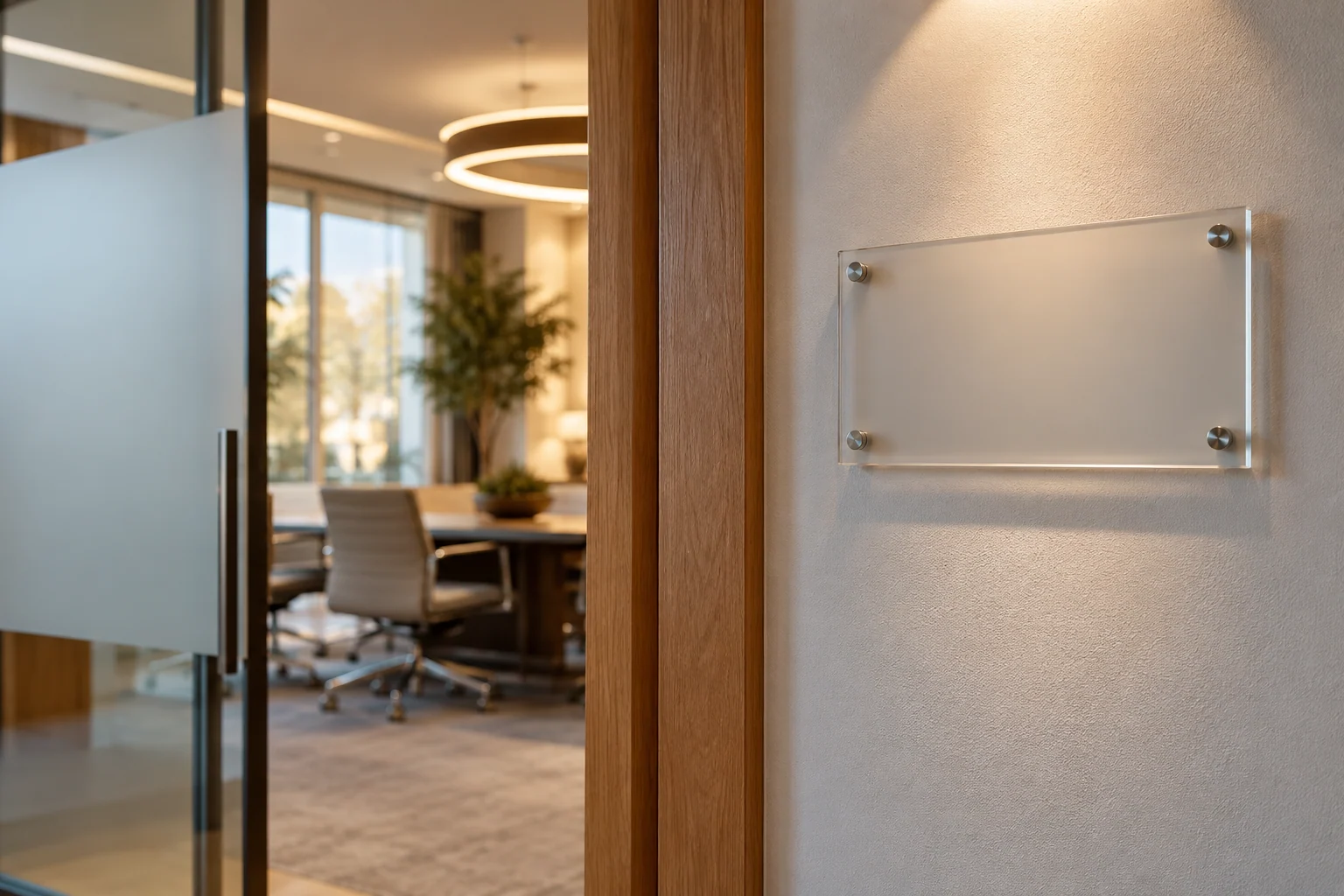
A new storefront sign or a roadside directional marker begins as a simple concept, but the physical reality is shaped by the specific constraints of your location and your intended audience. Whether you are looking to catch the eye of a passing driver on a busy Texas thoroughfare or provide subtle guidance to a pedestrian in a quiet courtyard, the effectiveness of the sign depends on how well the design meets its purpose.
Navigating a Change in Scope
Plans for business identity often evolve after the initial consultation. You might start with the intention of installing a small, understated plaque near an entrance, only to realize that a larger, illuminated presence is necessary to maintain visibility during evening hours. This shift in scale or style creates a meaningful tradeoff between subtle branding and high-impact visibility. A massive, brightly lit sign commands attention but may feel out of place in a historic district or a residential-adjacent commercial zone. Conversely, a minimalist design preserves the character of your surroundings but may leave potential customers searching for your door.
For example, if you originally planned for a simple vinyl decal on a window but have decided to pivot toward a three-dimensional mounted sign, the logistical requirements change entirely. The weight of the materials, the method of attachment, and the visual depth of the piece all require a different approach to both design and installation.
Preparing Your Visual Assets
When you approach a sign shop, the quality of your starting materials dictates the clarity of the conversation. Having high-resolution photographs of the intended installation site allows the provider to see the texture of the wall, the presence of existing obstructions, and the way light hits the surface at different times of day. If you have specific brand imagery or logos, ensure these are available in formats that can be scaled without losing clarity. Providing these details upfront helps the professional evaluate the feasibility of your vision before any production begins.
Asking the Right Questions
Because a sign is a permanent addition to a property, the conversation must extend beyond aesthetics. A change in sign type or size often brings new requirements that must be addressed before a contract is signed. Ask the sign provider how your updated design aligns with the physical constraints of the site you have described. You should also inquire about the specific approvals required for the new dimensions or lighting style, and ask who is responsible for arranging those permissions.
Understanding the installation process is equally vital. Ask the provider what the proposed mounting arrangement includes and how they plan to secure the sign to your specific building material. By centering your enquiry on these practical observations, you ensure that your final choice reflects both your brand's needs and the realities of your local environment.


