A digital folder filled with screenshots, a handwritten list on a kitchen notepad, or a series of saved social media posts can feel like a treasure trove of culinary potential. These notes represent the promise of a meal, yet they often sit idle because the transition from a static list to an active plan feels daunting. The friction lies in the gap between a vague idea and a concrete departure.
The Power of a Single Destination
The most effective way to use a collection of food notes is to stop treating them as a menu of endless possibilities and start treating them as a single choice. When you attempt to plan a multi-stop tour of every highly-rated spot in your notes, the logistics often collapse under the weight of travel time and shifting schedules. Instead, select one primary venue to serve as the anchor for your outing. This single choice provides a clear objective and a fixed point in time around which everything else can revolve.
By committing to one main destination, you eliminate the paralysis of choice. You are no longer deciding between five different cuisines; you are simply deciding if today is the day for the specific dish you noted months ago. This approach turns a daunting task into a manageable afternoon. The goal is to move from a state of indecision to a state of action by narrowing your focus to one specific location.
Verifying the Details
A note saved months ago is a snapshot of the past. Relying on old information can lead to an arrival at a closed door or a kitchen that no longer serves the item you noted. Before you leave the house, confirm the current status of your chosen venue. Check their current hours and see if any recent updates have been posted regarding their service. If you have a specific dietary requirement or a preference for a certain seating area, ask the establishment directly how they can accommodate those needs.
For example, if you have a note about a local bistro known for a specific seasonal item, do not assume the dish you saw in a photo is still available. Ask the staff if the specific items you are interested in are currently on the menu. This small step ensures that your expectations align with the menu that is actually being used that day.
The Optional Second Stop
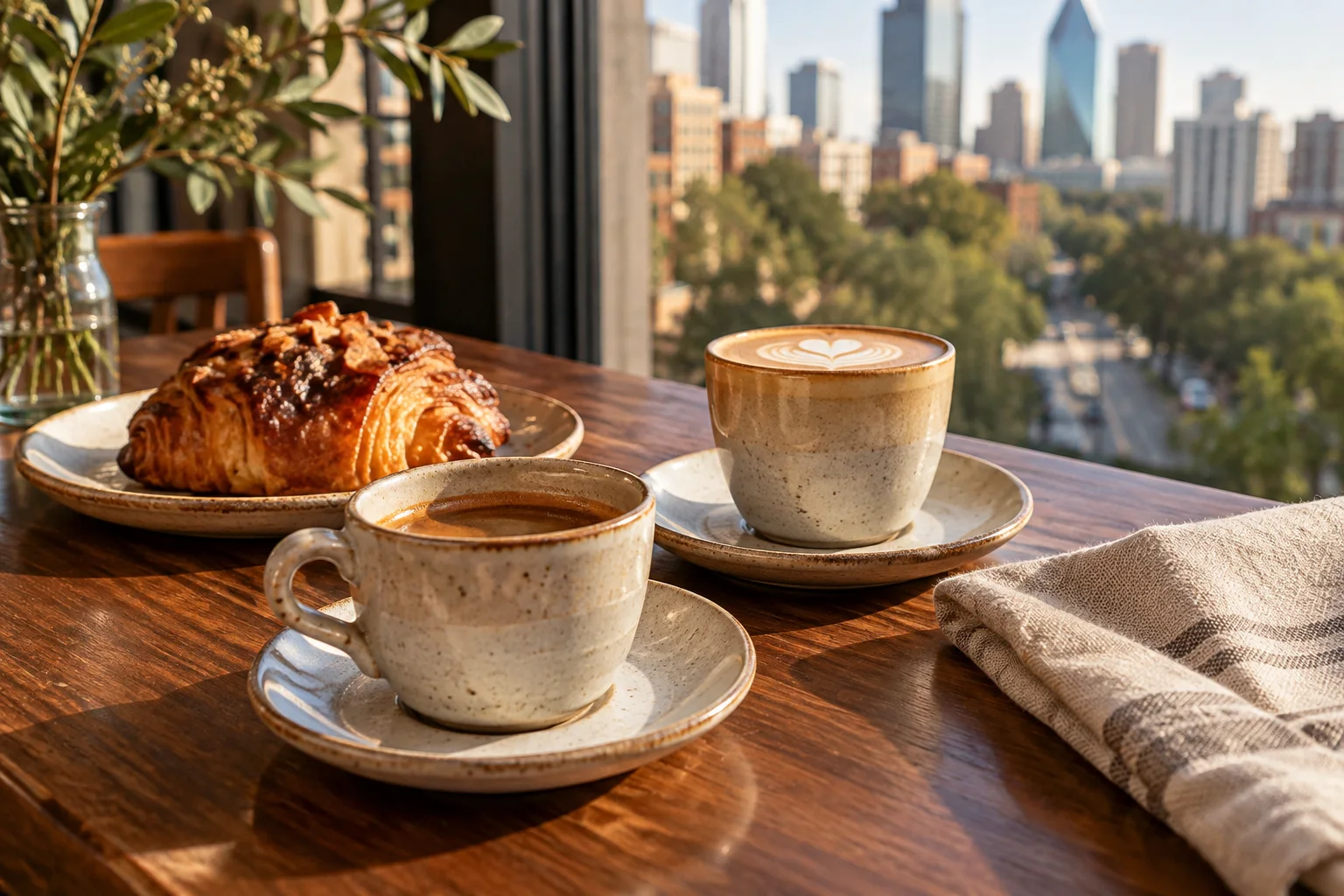
Once you have secured your primary destination, you can consider a secondary location, but only as a luxury rather than a requirement. This creates a meaningful tradeoff: you gain the potential for more variety without the risk of a ruined afternoon. If the meal at your main venue is satisfying and the timing works, a stroll to a nearby bakery or coffee shop is a possibility. If the meal runs long or the timing does not work, you have already fulfilled your primary goal and can head home without feeling like the outing was incomplete.
To make this work, look for a second location that is in close proximity to your first. Ask the staff at your main restaurant if they have any local recommendations for a quick sweet treat or a drink nearby. This allows the second stop to remain a spontaneous possibility rather than a logistical burden. Your success depends on whether you treat the second location as an add-on to a completed mission rather than a mandatory second leg of a journey. Focus on the primary destination first, and let the rest follow only if the circumstances allow.